

About
How curiosity, science, and responsibility shape my work on children and AI.
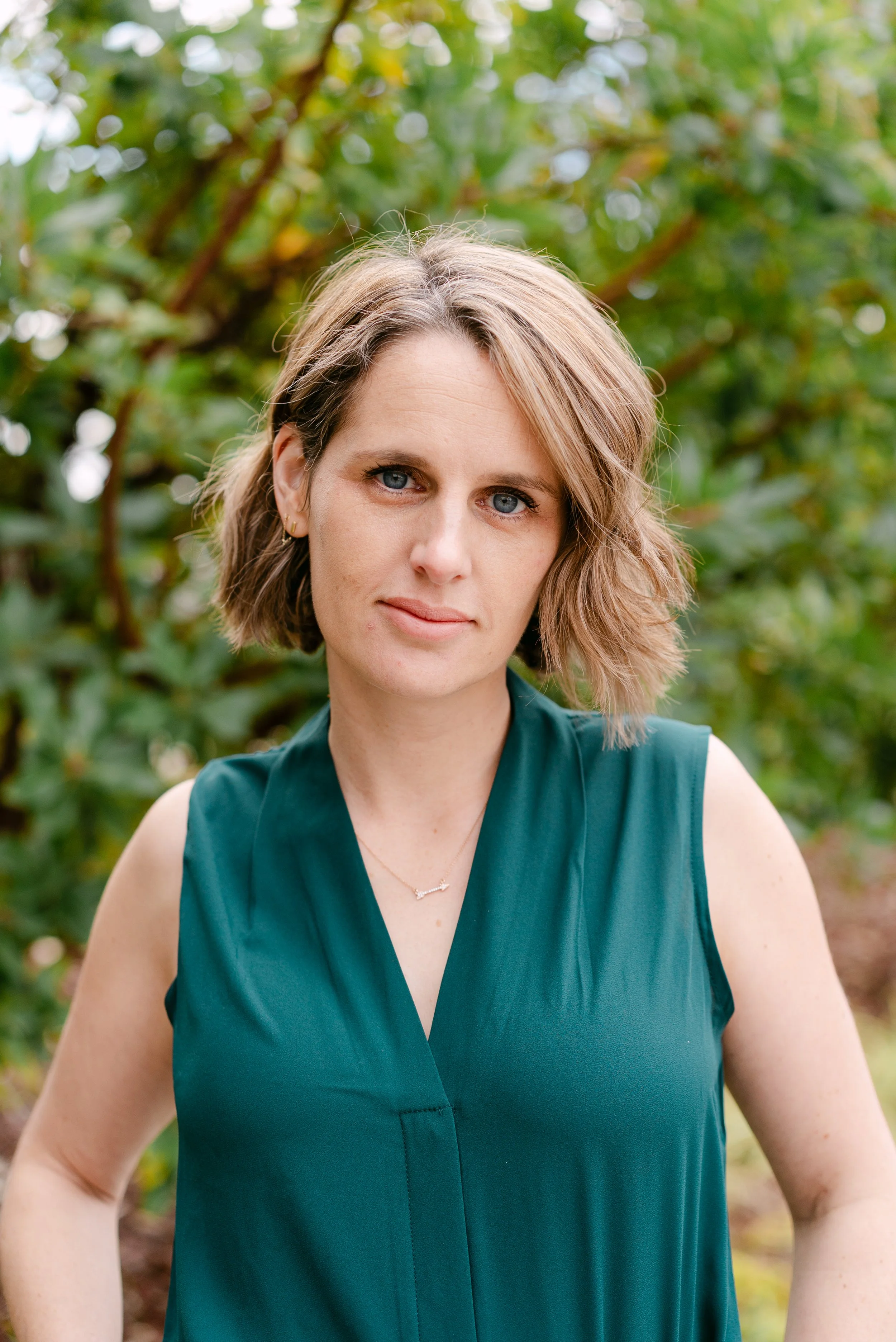
Mathilde Cerioli, Ph.D is a cognitive neuroscientist with clinical training in neuropsychology, working at the intersection of child development, AI, and public policy. She is Chief Scientist and co-founder of everyone.ai and serves as Chief Scientist within the iRAISE coalition, translating developmental science into practical guidance for product decisions and regulation. She is also a regular speaker and media contributor, focused on making the evidence usable for journalists, policymakers, and researchers. For interview requests or speaking invitations, use the contact page.
Tl;dr
My work sits between disciplines on purpose. Curiosity is not just interest, it is a way of working across domains without losing precision. I move between developmental science, product realities, and governance because that is where the gap is.
I noticed that gap clearly while advising EdTech teams. Many were close to building something genuinely helpful, but lacked child development expertise. Products that could have supported learning or wellbeing missed the mark by very little, simply because key developmental constraints and opportunities were invisible to the team.
In the past, that usually meant wasted time or mediocre outcomes. With AI, and especially with more anthropomorphic experiences, the stakes are higher in both directions. Well-designed systems can open genuinely new opportunities for support and learning. Poorly designed systems can create stronger dependencies, stronger misconceptions, and bigger downstream risks, even when intentions are good. That is why I co-founded everyone.ai, where I serve as Chief Scientist. We anticipate and clarify the risks and opportunities of AI for children’s wellbeing, and we translate that into guidance that can actually shape decisions.
I also serve as Chief Scientist within the iRAISE coalition because change does not happen inside silos. iRAISE is building the conversation that is needed, enriching it with scientific work and expert input, and connecting academia, policymakers, and industry so children’s best interests are centered in development, deployment, and adoption.
In parallel, I serve in an advisory capacity with OpenAI, contributing to discussions on wellbeing and development. I see this role as part of a broader commitment: meaningful change starts early, at the moment products are conceived, when assumptions are still being shaped and design choices are still open. Transparency and dialogue at this stage matter if we want systems that align with human and developmental needs.
Across all roles, I translate scientific evidence for different stakeholders so it stays relevant to their job: what policymakers can regulate, what researchers can test, what builders can implement. A big part of my work is convening, listening, and pressure-testing ideas with top experts, then making the output usable.
Like any passionate researchers, I love talking about this topic. I speak at conferences and policy convenings, and I participate in podcasts and interviews doing my best to translate the evidence without flattening it.
Long version
How I work
Direct, pragmatic, and iterative. I care about getting to clearer questions, sharper definitions, and scientifically informed decisions.
I recharge through creative work where the point is the process, not the outcome. When mess is encouraged, curiosity gets to roam. It is also a reminder I keep bringing back to AI: optimizing for outcomes is what machines do well. For humans, especially kids, the process is where learning, agency, and joy actually live.
Personal Note
Let’s talk
Interested in working together? Fill out some info and I will be in touch shortly.